Veterans who served deserve streamlined support when pursuing disability benefits for injuries or illnesses. The process can be overwhelming, but proper guidance and resources can make it accessible. Many veterans seek simplified VA disability claims to ensure they receive support without delays or confusion. Understanding filing, documenting, and appealing claims empowers veterans and secures their deserved compensation. Learning how to maximize your benefits starts with understanding each step of the VA disability claims process, from preparation to filing and appeals. Using trusted resources and services—including modern solutions that offer simplified VA disability claims for veterans—can give you a stronger case and significantly improve your experience. This guide provides everything you need to file and enhance your VA disability claim, increase your benefit rating, or appeal a negative decision.
Understanding VA Disability Claims
VA disability compensation is a crucial, tax-free benefit available to veterans living with service-connected injuries or illnesses. Based on a detailed disability rating system, veterans can qualify for monthly payments that provide financial stability and medical support. The rating reflects the severity of your condition and ranges from 0% to 100% in increments of 10%. Navigating this rating system is fundamental to ensuring you receive the maximum compensation for your unique circumstances.
Preparing to File Your Claim
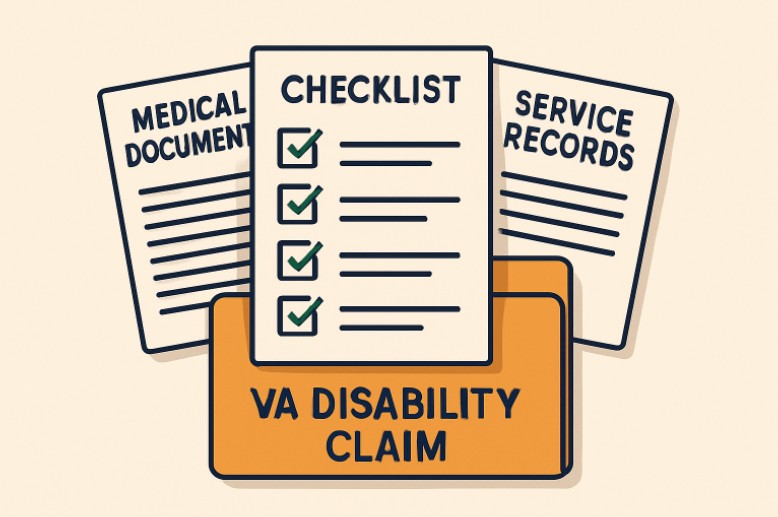
A successful VA disability claim requires meticulous documentation. Gather medical, service, and supporting statements from military, VA, and private providers to document symptoms and daily life impact: secure DD214, personnel files, and any documentation connecting your condition to military service. Maintain a dedicated folder with physical and digital copies of documents to keep everything accessible. Preparation is key to reducing claim delays and confusion during adjudication.
Filing Your VA Disability Claim
The VA provides three methods for submitting initial claims: online, by mail, or in person. Online submission offers fast, direct submission and instant status tracking. Mailing VA Form 21-526EZ with supporting documents to the VA Claims Intake Center or visiting a regional office ensures complete paperwork. Online filing is preferred due to real-time status tracking and a quicker process. However, some veterans may feel more comfortable submitting their claim in person, especially if they need assistance. Regardless of the method, double-check all forms and attachments before submission. Accurate and complete submissions help prevent delays and improve the chances of approval.
Seeking Assistance from Veteran Service Organizations
Enlisting the help of Veteran Service Organizations (VSOs) like the Disabled American Veterans (DAV) or Veterans of Foreign Wars (VFW) can be invaluable. These organizations offer free resources, guidance for filing, and support during appeals. Trained representatives understand the VA’s requirements and can strengthen your case by helping you gather correct documentation, complete forms, and advocate on your behalf through the process.
Navigating the Appeals Process
If the VA denies your claim or assigns a lower disability rating, multiple appeals paths are available. You can submit a Supplemental Claim, request a higher-level review, or request a Board Appeal. The best route depends on your case and available evidence. VSOs or accredited attorneys can guide you through each step, improving your chances of a favorable outcome. Timelines and documentation requirements vary for each option, so acting promptly is essential. Gathering new and compelling evidence can strengthen your appeal. Staying informed and persistent can make a significant difference in the final decision.
Tips for a Successful Claim
To ensure a fair evaluation, be thorough and honest in your application, detailing every symptom and its impact. Seek assistance from VSOs or professional representatives for expert help. Keep all claim-related documents organized and secure, keeping copies in a safe location. Include supporting evidence such as medical records, doctors’ notes, and statements from family or coworkers who can attest to your condition. Consistency between your application and medical documentation strengthens your case. Regularly follow up on your claim’s status to stay informed and address any issues promptly.
Common Mistakes to Avoid
To avoid delays, double-check all forms, submit robust medical and service records, and pay close attention to filing dates and responses. Incomplete applications, insufficient evidence, and missing deadlines can lead to unnecessary delays and weaker claims. Keep copies of all submitted documents and track your correspondence with the claims office. If unsure about any part of the process, consider consulting a claims advisor or legal expert. Staying organized and proactive significantly improves your chances of a timely and successful outcome.