Purchasing a mountain home offers breathtaking views and a serene lifestyle, but it also comes with unique challenges. Making informed decisions is crucial to ensure your mountain retreat meets your expectations and remains a sound investment. For those considering properties in the Jackson Hole area, collaborating with local experts can provide invaluable insights. The Jackson Hole real estate experts JH Property Group, a top-producing team at Jackson Hole Sotheby’s International Realty since 2013, offer extensive knowledge of the area, guiding buyers through the complexities of mountain home purchases. Their expertise ensures that clients find properties that align with their needs and investment goals.
Accessibility and Road Conditions
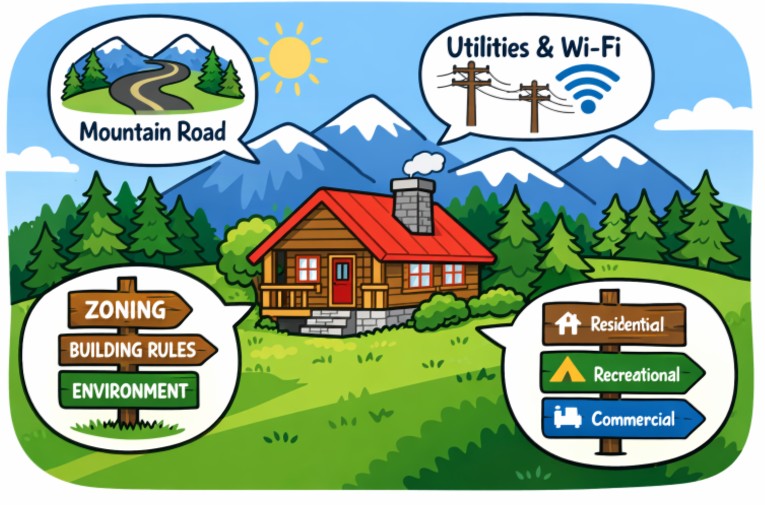
Mountain properties often feature steep, narrow, or unpaved roads. It’s essential to verify if these roads are maintained throughout the year and assess their condition during different seasons. In winter, snow and ice can make access challenging without appropriate vehicles. Ensuring reliable access is vital for both daily living and emergencies.
Additionally, it’s smart to inquire about who is responsible for maintaining neighborhood roads, especially in more remote areas where city or county services may not cover all roadways. Some communities may require homeowners to chip in for private road maintenance, snow removal, and repairs, which can add to your annual housing expenses. If your property requires a four-wheel drive or chains in winter, consider budgeting for those upgrades, and always prioritize safety when evaluating accessibility year-round.
The location of the home in relation to nearby amenities also matters. Proximity to hospitals, grocery stores, gas stations, and emergency services should be factored into your decision, as travel times in the mountains can be significantly longer than in urban areas. Check if roads are prone to landslides, rockfalls, or seasonal closures, and talk to neighbors or community groups about their experiences living in the area.
Utilities and Internet Connectivity
Unlike urban areas, mountain homes may lack traditional utility hookups. Many rely on wells, septic systems, or propane for essential services. Additionally, internet connectivity can be limited or inconsistent. Before purchasing, confirm the availability and reliability of these services to avoid future inconveniences.
Buyers should have all systems professionally inspected before closing. For wells, check water quality, flow rate, and depth. For septic, verify system age, maintenance history, and compliance with local regulations. If the property uses solar power or backup generators, evaluate their capacity to fully meet your needs. Cell phone reception and high-speed internet service should also be assessed, especially for those who work remotely or require reliable communications. If coverage is lacking, research available providers, satellite options, and the potential expense of infrastructure upgrades.
Zoning Laws and Building Restrictions
Every property is subject to zoning ordinances and building codes that dictate its use and potential modifications. These regulations determine what you can build, where it can be located, and the materials allowed. Understanding these restrictions is crucial, especially if you plan to expand or renovate the property. Consulting with local authorities or a real estate expert can provide clarity on these matters.
It’s also wise to review any homeowner association (HOA) bylaws, covenants, or easements that may limit your rights. For example, HOAs may restrict short-term rentals, exterior paint colors, or even types of fencing and landscaping. Thoroughly review all regulatory documents and consult a real estate attorney if anything is unclear. Proactively understanding these rules prevents costly surprises and ensures your intended use aligns with community guidelines.
Environmental Hazards and Insurance
Mountain regions are often susceptible to environmental hazards such as wildfires, floods, and landslides. It’s important to assess the property’s risk level and ensure it complies with any special construction requirements. Additionally, securing appropriate insurance coverage is essential to protect your investment against potential natural disasters.
Consult local fire departments about wildfire risk factors, and consider defensible space, a buffer zone that reduces fire risk around your home. Similarly, ask about flood zones using FEMA maps and request insurance quotes specific to the property’s conditions. For homes located in avalanche-prone areas or regions with known seismic activity, additional mitigation measures and insurance may be required. Take the time to learn what’s needed to protect your investment, including fire-resistant roofing, drainage systems, and the costs of specialty insurance. Working with real estate and insurance professionals who understand these unique risks is invaluable.
Local Real Estate Market and Property Values
Understanding the local real estate market is key to making a sound investment. Research property values, market trends, and the demand for homes in the area. This information will help you gauge the property’s potential for appreciation and inform your purchasing decision.
Visit county assessor websites for property history, recent sales data, and property tax information. Take note of market seasonality—is demand driven by tourism, ski seasons, or summer visitors? Talk to local realtors about whether homes tend to sell above, below, or at list price, and how quickly inventory moves. These insights help you negotiate the best deal and forecast future resale value. Understanding neighborhood turnover rates and planned community developments can shed light on the area’s trajectory, impacting your long-term investment outlook.
Engaging with Local Experts
Collaborating with local real estate professionals can provide invaluable insights into the mountain property market. For instance, Jackson Hole real estate experts JH Property Group offer extensive knowledge of the area, guiding buyers through the complexities of mountain home purchases. Their expertise ensures that clients find properties that align with their needs and investment goals.
Experienced agents can also introduce you to reputable inspectors, contractors, utility companies, and lenders familiar with mountain properties, resources that make your buying process smoother. In areas with unique building codes, wildfire assessment requirements, or unusual financing hurdles, local experts can pinpoint issues before they become major obstacles. They will know about upcoming developments, new community regulations, or proposed infrastructure projects that might affect your property’s value or quality of life. Their insights are especially valuable if you’re purchasing from out of state or are new to mountain living.
Consider joining local homeowner associations or community organizations before or shortly after purchasing. These groups are excellent sources of information for navigating property ownership in the mountains, sharing updates on road conditions, weather events, and best practices for maintaining your mountain home. Active involvement also helps you integrate into the community and build relationships with neighbors who can provide support and guidance.
Conclusion
Buying a mountain home requires careful consideration of various factors unique to mountainous regions. By thoroughly researching and planning, you can make informed decisions that lead to a fulfilling and secure mountain living experience.
Ultimately, your mountain home should be a place of tranquility, recreation, and beauty, but also of safety, comfort, and long-term value. Take advantage of every resource at your disposal, including local experts, community organizations, and public agencies, to ensure a seamless transition into mountain living. With thoughtful planning and expert guidance, you will enjoy all the advantages of your new home while minimizing risks and unexpected costs. Whether you’re seeking a personal retreat, an investment, or a family legacy property, making smart choices now lays the foundation for years of enjoyment to come.