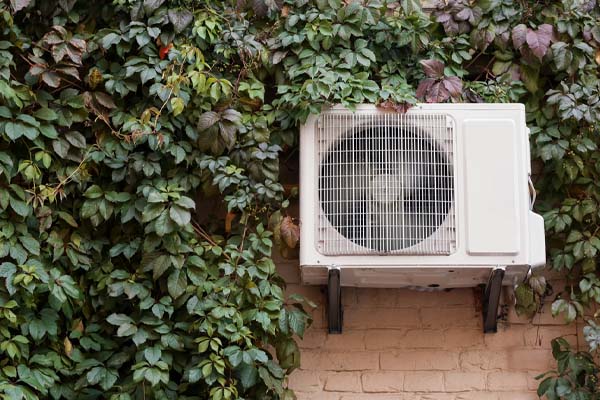
When the winter chill sets in across the United States, homeowners rely heavily on their heat pump systems to maintain a cozy indoor environment. Unlike a traditional furnace that generates heat through combustion, a heat pump works by extracting thermal energy from the outdoor air and transferring it inside. The exterior fan plays a critical role in this process by pulling air across the condenser coils. If this fan stops spinning, the entire heat exchange process grinds to a halt, often leaving your home chilly and your energy bills skyrocketing as the system struggles to compensate.
Identifying the root cause of a mechanical failure early can prevent a total system breakdown during a cold snap. If you step outside and notice the outside fan not running when heat is on, it is a clear signal that your HVAC system requires immediate attention. While some causes are minor and can be addressed with simple maintenance, others indicate a significant electrical or mechanical fault that could damage the compressor if left unchecked. Understanding the common culprits behind a dormant fan is the first step toward restoring your home’s comfort and efficiency.
The Role of the Defrost Cycle
Before assuming there is a major malfunction, it is important to understand how heat pumps operate in freezing temperatures. When the outdoor air is damp and cold, frost can accumulate on the exterior coils. To prevent this ice from blocking airflow, the system periodically enters a “defrost mode.” During this cycle, the heat pump temporarily reverses its operation to warm the outdoor coils and melt the ice.
Crucially, while the unit is in defrost mode, the outdoor fan will intentionally stop running to allow the coils to heat up quickly. You might even see a bit of steam rising from the unit or hear a slight change in the compressor’s hum. This is perfectly normal behavior. However, if the defrost cycle finishes and you still find the outside fan not running when heat is on, then you are likely dealing with a legitimate mechanical or electrical issue that needs professional diagnosis.
Electrical Failures and Capacitor Issues
The most common technical reason for a fan failure involves the capacitor. This small, cylindrical component acts like a high-powered battery, providing the initial “kick” of energy needed to start the fan motor and keep it running smoothly. Capacitors are sensitive to heat and electrical surges, and they can lose their ability to hold a charge over time. If you hear a faint humming sound coming from the outdoor unit but the blades aren’t moving, a “blown” or failing capacitor is the most likely suspect.
Contactor and Control Board Faults
The contactor is a switch within the outdoor unit that closes when the indoor thermostat calls for heat, allowing high-voltage electricity to reach the fan and compressor. Over time, the silver coating on the contactor points can wear down or become “pitted,” preventing a clean electrical connection. In more complex cases, the integrated control board—the “brain” of the HVAC system—may have a faulty relay or a burnt circuit that is failing to send the signal for the fan to engage.
Mechanical Obstructions and Motor Failure
Sometimes the problem is purely physical rather than electrical. During the fall and winter, dry leaves, twigs, or even ice can fall through the top grille of the outdoor unit and wedge themselves between the fan blades and the housing. This physical resistance can prevent the motor from turning. If the motor tries to spin against an obstruction for too long, it can overheat and burn out the internal windings.
If the fan blades spin freely when pushed (with the power off), but the motor remains unresponsive to power, the fan motor itself may have reached the end of its lifespan. Bearings inside the motor can seize up due to lack of lubrication or simple wear and tear. A screeching or grinding noise prior to the fan stopping is a classic symptom of failing motor bearings.
Troubleshooting and Maintenance Tips
Maintaining your HVAC system involves a combination of DIY observation and professional service. To keep your outdoor unit running efficiently throughout the heating season, consider these proactive steps:
- Clear the Perimeter: Ensure there are at least two feet of clearance around the outdoor unit to allow for proper airflow.
- Inspect for Debris: Regularly check the top of the unit for fallen branches or accumulated leaves that could snag the fan blades.
- Listen for Changes: Pay attention to new rattling or humming sounds, which often precede a total part failure.
- Check the Breaker: If the entire outdoor unit is silent, verify that the circuit breaker hasn’t tripped in your home’s electrical panel.
- Scheduled Tune-ups: Have a technician check the “start” and “run” capacitors annually to ensure they are within the manufacturer’s specified range.
Conclusion
A functioning exterior fan is non-negotiable for a heat pump’s performance during the winter months. Whether the issue is a normal part of the defrost cycle, a failed capacitor, or a physical obstruction, addressing the problem quickly is essential for maintaining home comfort and preventing expensive compressor damage. By staying vigilant and scheduling regular professional maintenance, you can ensure that your HVAC system remains a reliable source of warmth even when the temperature drops below freezing.
GlitzVista is a contemporary online destination created for readers who enjoy discovering fresh ideas, engaging stories, useful insights, and trending topics. The platform covers a broad range of subjects, including lifestyle, entertainment, popular trends, and other interesting areas of everyday interest.
Through regularly updated articles and an easy-to-navigate format, GlitzVista.com offers visitors a convenient way to explore diverse content in one place. Its engaging approach and varied collection of articles make it a valuable destination for readers looking to stay informed, discover new perspectives, and enjoy quality digital content.
AjkerDiary is a modern digital platform offering a diverse collection of informative, engaging, and entertaining content for today’s readers. Covering topics such as lifestyle, trending news, interesting stories, practical tips, and everyday information, the website provides something for a wide range of interests.
AjkerDiary.com regularly features fresh and engaging articles that encourage readers to discover new ideas, useful insights, and popular online topics. With its clean presentation and reader-friendly structure, the platform provides a smooth and enjoyable browsing experience.
TodayRatesPK is a dynamic online platform focused on delivering useful, timely, and informative content for readers looking to stay updated with important rates, trends, and everyday information. The website brings together relevant topics in a simple and accessible format, helping visitors quickly discover information that matters to them.
With regularly refreshed content and a straightforward browsing experience, TodayRatesPK.com is designed to make finding useful information convenient and engaging. Its reader-focused approach makes the platform a practical destination for visitors seeking current updates, helpful insights, and valuable online resources.