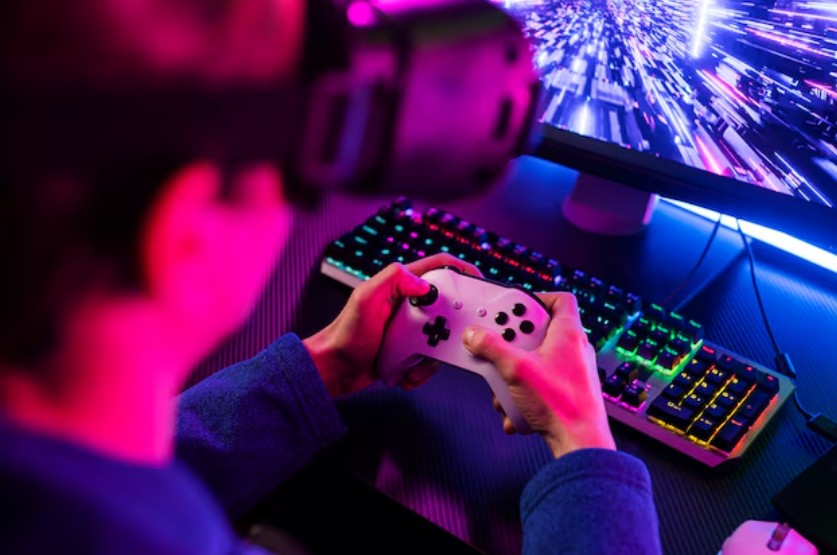
Have you ever thought about how gaming skills can be useful in real life? Many people see online gaming as just entertainment, but it’s much more than that. Games today are designed with real challenges that require quick thinking, teamwork, and creativity.
From strategy games to multiplayer competitions, gamers develop skills that can be applied in many areas of life. Whether it’s problem-solving, decision-making, or even leadership, gaming is proving to be a valuable way to learn. Let’s explore how online gaming is crossing over into real-world skills!
The Connection Between Gaming and Real-Life Skills
Gaming is no longer just about having fun. Many games today help players develop skills that are useful in everyday situations. These skills go beyond just reflexes—they help in education, careers, and even social interactions.
1. Problem-solving and Critical Thinking
Most online games require players to solve challenges, make quick decisions, and adapt to new situations. Puzzle games, strategy games, and role-playing games push players to think critically and find creative solutions.
For example, in strategy games, players must plan their moves carefully to outsmart opponents. This same skill can be useful in real life, whether it’s making business decisions, handling unexpected situations, or even planning a project.
2. Quick Decision-Making
In fast-paced games, players must make split-second decisions that affect the outcome of the game. This ability to process information quickly and take action is useful in many real-life situations.
For example, professionals in healthcare, finance, and emergency services often need to think and react quickly. Gaming helps train the brain to process information faster and respond effectively.
3. Leadership and Teamwork
Many multiplayer games require teamwork, where players need to communicate, plan strategies, and work together to win. This builds leadership and collaboration skills that are valuable in workplaces and social settings at SBOBET.
For example, in online battle games, teams must coordinate attacks, support each other, and adjust strategies based on the situation. These skills are directly useful in real-world team projects and leadership roles.
Gaming Skills That Are Useful in Careers
Believe it or not, the skills developed through gaming can help in professional careers. Many industries now recognize the value of gaming experience in hiring and training employees.
1. Improved Focus and Attention to Detail
Gaming requires players to pay close attention to details, spot patterns, and stay focused for long periods. This skill is essential in careers like coding, design, and research, where precision and concentration matter.
For example, a software developer debugging code or a designer working on intricate visuals can benefit from the ability to focus, just like in a detailed game mission.
2. Creativity and Innovation
Games encourage creative thinking, especially in open-world and sandbox-style games. Players often build, design, and experiment with new ideas, which is a great way to develop innovation skills.
For example, graphic designers, architects, and content creators can use the creativity learned from gaming to come up with fresh ideas in their work through the slot777 login.
3. Strong Hand-Eye Coordination
Fast-paced games improve hand-eye coordination, which is essential in many jobs that require precision. Surgeons, pilots, and professional athletes all benefit from excellent coordination skills.
For example, studies have shown that surgeons who play video games perform certain procedures more accurately because their hand-eye coordination is well-trained.
How Gaming Helps in Social and Personal Development
Apart from professional skills, gaming also helps in personal development by improving social skills, confidence, and emotional intelligence.
1. Better Communication Skills
Online multiplayer games require players to interact with teammates, discuss strategies, and sometimes even negotiate with opponents. This helps players develop strong communication skills, which are important in relationships and professional life.
For example, someone who plays cooperative games may find it easier to communicate effectively in team meetings or social gatherings.
2. Increased Patience and Resilience
Gaming teaches patience, as players often need to retry levels or improve their skills to progress. This ability to handle challenges and stay persistent is useful in real life.
For example, students preparing for exams or professionals working on long-term projects benefit from the patience and determination developed through gaming.
Final Thoughts
Online gaming is more than just entertainment—it’s a powerful tool for developing real-world skills. From problem-solving and teamwork to focus and creativity, the lessons learned in games can be applied in many areas of life.
As gaming technology continues to evolve, its impact on education, careers, and social skills will only grow. So, if you’re a gamer, remember that the skills you’re developing today might just give you an advantage in the real world tomorrow!

