At a Glance
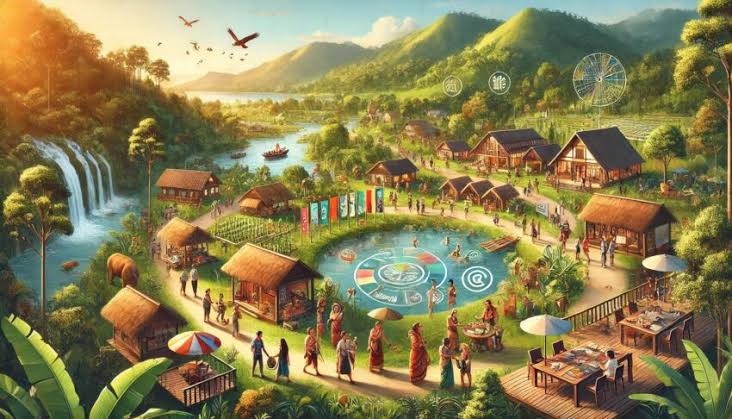
Communities built around experiences are becoming increasingly popular as renters place greater value on connection, convenience, local culture and lifestyle. Factors such as remote work, walkable neighborhoods, authentic community character and access to everyday experiences are reshaping housing preferences and influencing how modern residential communities are designed.
The Shift Toward Lifestyle-Focused Communities
There was a time when choosing a place to live somewhere came down to square footage, parking spaces and a reasonable commute. Those things still matter, of course, but for many people today, they are only part of the living experience. People are increasingly looking for places that fit the way they want to live. They expect convenience and want to feel like they belong somewhere and that shift is changing how communities are built and how people think about home.
You can see this trend in cities across the country, especially around downtown Vegas apartments, where neighborhoods like the Arts District, Fremont East and Westside continue to attract residents seeking a lifestyle where local experiences, community, culture, entertainment, dining and everyday life all come together.
But are these the only things that are driving this change? Let’s find out why there is a sudden rise in communities built around experiences.
1. People Want Connection in an Increasingly Digital World
Technology has made it easier than ever to communicate, yet many people feel less connected to their local communities. As remote work, online shopping and digital entertainment continue to grow, people are now looking for real-world experiences that bring them together with others.
Living in a community where residents can walk to local environments, meet neighbors naturally or spend time in shared spaces helps fill the gap. A sense of belonging has become an important part of modern living and people want to feel connected to the places they call home.
2. Convenience Has Become A Lifestyle Priority
Most people would want to spend less time driving to a place, which is one reason experienced focused communities continue to gain popularity. Such living spaces are closer to restaurants, coffee shops, fitness studios, entertainment venues and everyday services, so life automatically becomes simpler.
That appeal is not just about convenience, but it is about the freedom that comes with it. Residents can enjoy spontaneous plans and quick outings without needing to organise every part of the day around transportation.
3. Experiences Often Matter More Than Extra Space
Over the last several years, many renters have begun to place greater value on experiences than on possessions. A larger apartment can be appealing, but so can living in a vibrant neighborhood where there is always something happening nearby.
For many people, access to art walls, live music, community events, local dining and cultural attractions contributes more to their quality of life than a few extra square feet. That does not mean space is less important, but it simply shows that people are now evaluating their priorities differently than previous generations.
4. Remote and Hybrid Work Have Changed How People Use Their Neighborhood
When commuting five days a week was the norm, many people had little time to explore the areas around their homes. Remote and hybrid work has changed that dynamic and people spend more time close to where they live, which means their neighborhoods play a bigger role in their daily routine.
A nearby coffee shop becomes a workspace, a local park becomes a place to recharge between meetings, while restaurants, shops and community events become part of everyday life, not something that’s occasional. As a result, renters are paying closer attention to the experience available outside their front door.
5. People Are Looking for Places With Character
Cookie-cutter communities often struggle to create lasting appeal, as many renters want neighborhoods that feel authentic and distinct. They are drawn to places with local businesses, creative energy, cultural attractions and a unique identity. Areas that offer a strong sense of place tend to create stronger emotional connections.
Residents feel like they are part of something larger than their apartment building. This is one reason why urban neighborhoods with established culture and walkable amenities continue to attract people seeking a richer living experience.
Conclusion
The rise of communities built around experience reflects a broader shift in what people value. Renters still care about comfortable homes, quality amenities and convenient locations. At the same time, they are paying closer attention to the lifestyle that surrounds those homes.
Communities that support connection, convenience, culture and everyday experience are becoming increasingly attractive. As cities continue to evolve, the most desirable places to live will likely be those that help residents engage with their surroundings and enjoy more meaningful moments in their daily lives.