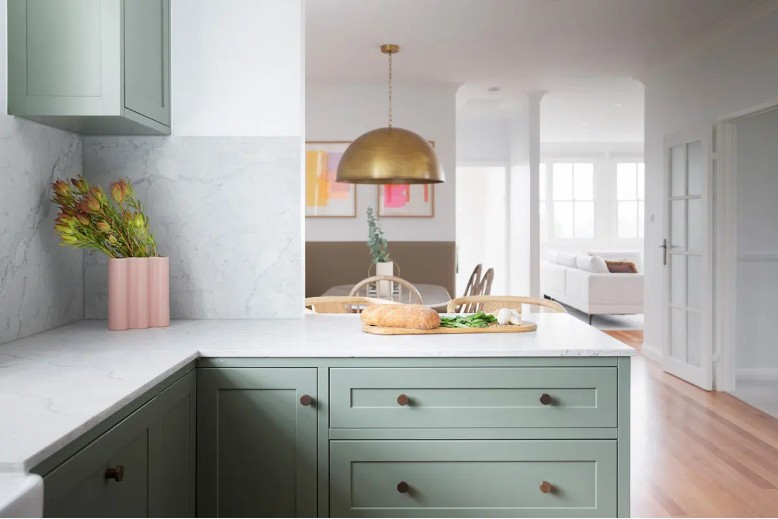
- Kitchen remodel costs vary widely, with cabinetry, countertops, appliances, and labor being the biggest expenses.
- Hidden costs like permits, demolition, and unexpected repairs can impact your budget, so it’s essential to plan for them.
- Choosing cost-effective materials, DIYing small tasks, and shopping smart can help you save money without sacrificing quality.
- Prioritizing high-impact upgrades and working with reputable professionals ensures a beautiful and functional kitchen investment.
A kitchen remodel is one of the most rewarding home upgrades in terms of functionality and resale value. Whether planning a full renovation or a simple refresh, knowing what to expect cost-wise can help you make smarter financial decisions.
Several factors influence the final price, from cabinetry and countertops to appliances and labor. Some choices significantly impact your budget, while others offer savings without sacrificing quality. In this guide, we’ll break down the biggest cost factors and help you understand where your money goes when investing in your kitchen.
Understanding the Biggest Cost Factors
The cost of a kitchen remodel varies widely, ranging from a few thousand dollars for minor updates to well over $50,000 for high-end renovations. The key to budgeting wisely is knowing where your money will be spent. Here are the biggest contributors to your kitchen’s total price:
- Cabinetry: Cabinets often take up the largest portion of a kitchen budget. Stock cabinets are the most affordable, while semi-custom and fully custom cabinets can significantly increase costs. Materials, finishes, and hardware choices also affect the final price.
- Countertops: The surface you choose can greatly affect its aesthetics and pricing. Budget-friendly options like laminate and butcher block are available, while high-end materials like granite, quartz, and marble have a premium price tag.
- Appliances: Energy-efficient and high-tech appliances can be a major investment. Basic models are relatively affordable, but professional-grade brands like Sub-Zero and Wolf can quickly raise costs.
- Flooring: The type of flooring you select impacts the look and price of your remodel. Tile, hardwood, and luxury vinyl plank are popular choices, and their costs vary per square foot.
- Labor and Installation: Skilled professionals are essential for a high-quality kitchen remodel. The costs of plumbers, electricians, and general contractors can increase quickly, especially if structural changes occur.
Everything from material selection to design complexity will influence your total kitchen investment. Understanding these factors will help you prioritize what’s most important for your space and budget.
Choosing the Right Countertops for Your Budget
Your kitchen countertops are more than just a workspace—they’re a design statement that ties the whole room together. With so many options available, selecting the right material can feel overwhelming. Prices vary widely depending on durability, aesthetics, and maintenance requirements.
- Laminate: One of the most budget-friendly choices, laminate countertops come in various colors and patterns. While they’re easy to clean, they aren’t as durable as natural stone.
- Butcher Block: A warm and inviting option, butcher block countertops are perfect for a rustic or farmhouse-style kitchen. They require regular maintenance but offer a charming, natural look.
- Quartz: Engineered quartz is durable, non-porous, and low-maintenance, making it a popular mid-to-high-range choice.
- Granite and Marble: Natural stone countertops add a luxurious touch to any kitchen. They are more expensive and require sealing to prevent stains.
Considering the cost of stone surfaces, pricing depends on factors like slab thickness, edge profiles, and installation complexity. Some rare stones or custom-cut designs will add to the expense but can also increase your home’s long-term value.
By weighing your options carefully, you can find a countertop material that fits your aesthetic vision and budget.
Hidden Costs to Consider in a Kitchen Remodel
When budgeting for a kitchen remodel, many homeowners focus on the obvious expenses—cabinets, countertops, and appliances. However, hidden costs can sneak up on you, making the final bill much higher than expected. Knowing these expenses in advance can help you plan smarter and avoid budget overruns.
- Permits and Inspections: If your remodel involves electrical work, plumbing changes, or structural modifications, you may need permits from your local building authority. These can range from $100 to several hundred dollars, depending on the scope of work.
- Demolition and Disposal: Removing old cabinets, flooring, and countertops isn’t just about tearing things down—it often comes with labor and disposal fees. Dumpster rentals and hauling services can add a few hundred dollars to your costs.
- Plumbing and Electrical Upgrades: Older homes may require updated wiring or new plumbing to accommodate modern appliances and fixtures. If your home isn’t up to code, expect additional expenses.
- Unexpected Repairs: Once demolition starts, hidden issues like water damage, mold, or structural problems can surface. A contingency budget (typically 10–20% of the total remodel cost) can help cover these surprises.
- Customization Fees: Custom work will increase costs if you choose specialty cabinet sizes, unique countertop cuts, or high-end finishes. Even small design changes mid-project can add unexpected fees.
Discuss potential extra costs with your contractor before starting your project to keep your budget on track. A well-planned remodel is less likely to be derailed by unforeseen expenses.
Getting the Best Value for Your Investment
A kitchen remodel is a significant financial commitment, but that doesn’t mean you have to overspend for a high-quality result. Strategic planning allows you to create a beautiful, functional kitchen while controlling costs. Here are some ways to maximize your investment:
- Prioritize High-Impact Upgrades: Focus on changes that make the biggest difference, such as upgrading countertops, improving lighting, or refinishing cabinets instead of replacing them.
- Consider DIY Where Possible: If you’re handy, tasks like painting, installing a backsplash, or even assembling stock cabinets can save thousands in labor costs. Just be realistic about your skill level to avoid costly mistakes.
- Shop Smart for Materials: Look for sales, discounts, and clearance items at home improvement stores. Many retailers offer significant savings on floor models or discontinued products.
- Compare Quotes from Contractors: Getting multiple estimates ensures you’re getting a fair price. Before hiring, be sure to check reviews and references.
- Explore Financing Options: If you’re working with a tight budget, options like home improvement loans or 0% interest credit card promotions can help reduce costs without heavy upfront payments.
Investing in your kitchen doesn’t have to break the bank. By making smart choices and planning carefully, you can achieve a stunning remodel that adds value to your home without unnecessary expenses.
Conclusion
Investing in a kitchen remodel is a big decision, but it can be a rewarding and worthwhile investment with the right planning. Understanding where your money goes, preparing for hidden costs, and making strategic choices can help you stay on budget while achieving the kitchen of your dreams. Whether you’re opting for high-end upgrades or cost-effective solutions, thoughtful planning ensures that your kitchen looks great and adds long-term value to your home.
By prioritizing what matters most, exploring smart savings options, and working with reputable professionals, you can create a beautiful and functional space without overspending.