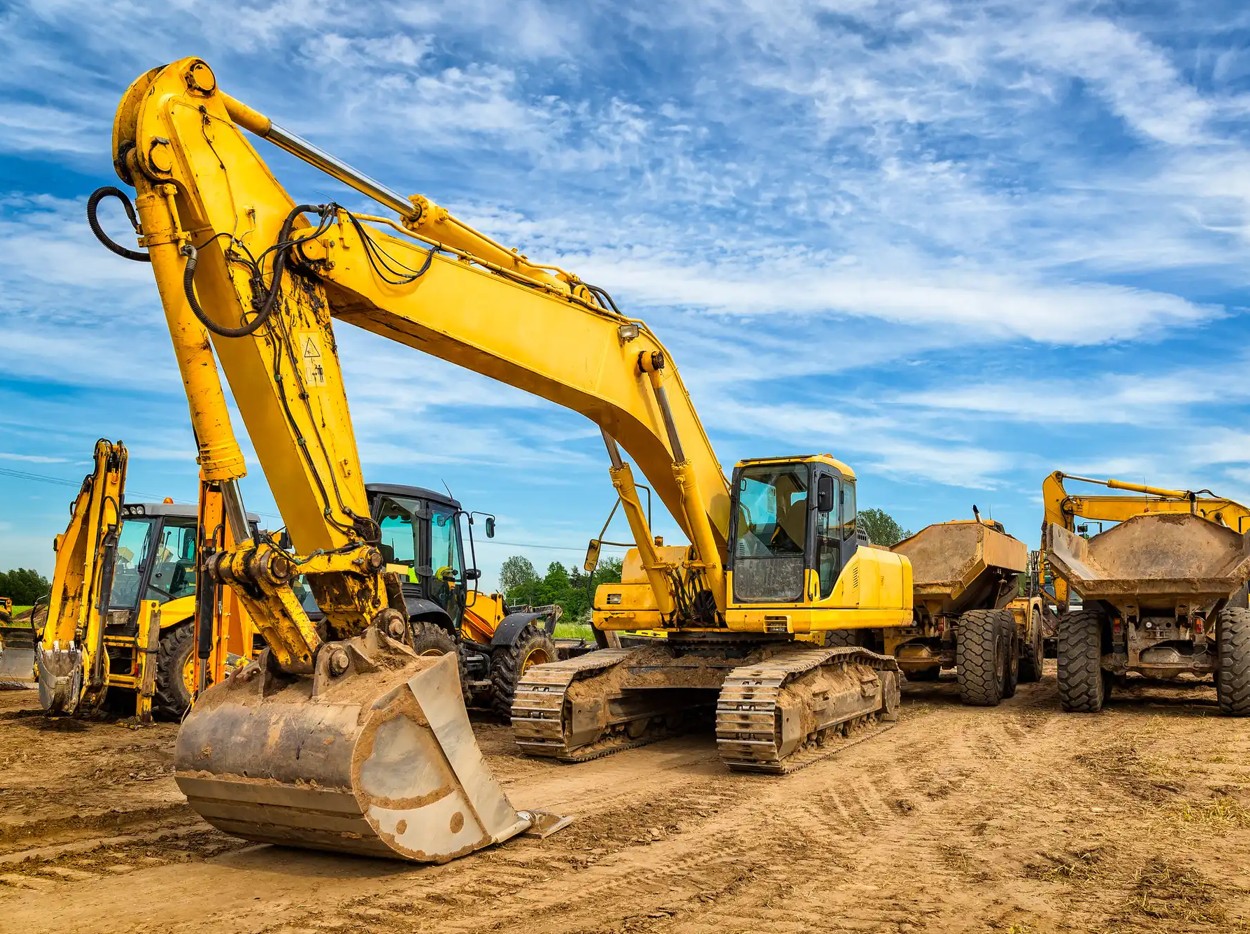
- Choosing the right excavator for your project depends on terrain, space constraints, and material type.
- Renting is often more cost-effective than purchasing, and local providers can offer better service and flexibility.
- Attachments like hydraulic hammers, buckets, and augers can significantly improve efficiency and productivity.
- Inspecting the equipment, understanding rental terms, and planning help avoid downtime and unexpected costs.
Renting excavation equipment should be straightforward, but with so many options, it’s easy to feel overwhelmed. The right machine can make a huge difference in efficiency, safety, and cost-effectiveness, while the wrong one can lead to delays and extra expenses. Understanding your needs before renting is key, whether you’re working on a construction site, landscaping project, or demolition job. This guide will help you navigate the process of getting the right excavator without the hassle.
Understanding Your Project Needs
Every excavation job is different; not all machines are built for the same tasks. A small residential project requires only a compact excavator, while large-scale construction demands heavy-duty digging power. Before you rent, consider the terrain, space constraints, and the dig depth. A mini excavator might be the best choice if you’re working in a tight area. On the other hand, deep foundation work or major earthmoving requires something with more reach and power.
Material type is another crucial factor. Digging through soft soil is much different from breaking through rock or concrete. Some jobs require extra force, so you might need attachments to complete the work efficiently. Taking the time to assess your project details ensures you won’t end up with a machine that’s too big, too small, or simply unsuitable for the job.
Finding the Best Rental Option for Your Job
Renting an excavator can be far more cost-effective than purchasing one, especially for short-term projects. Instead of worrying about maintenance, storage, and long-term investment, you can get the right machine for the job when needed. Local rental providers often offer more flexibility, better customer service, and faster delivery than large national chains. They also understand the specific needs of projects in your area, making them an excellent resource for recommendations.
When choosing excavator hire with Hammer Hire, it’s essential to check the availability of different models and attachments. Some rental companies offer additional services like operator training, insurance options, and on-site support, which can be a massive advantage if you run into issues. Look for a provider that maintains its equipment well, offers transparent pricing, and can answer any questions about the best excavator for your needs. A little research upfront will save you time and frustration once your project is underway.
Types of Excavators and Their Uses
Not all excavators are created equal, and choosing the right one depends on the scale and specifics of your project. Mini excavators are ideal for smaller jobs, such as backyard landscaping or light utility work, where space is limited. Their compact size allows them to maneuver through tight areas without damaging the environment. On the other hand, standard excavators are the go-to choice for medium to large construction projects. They offer a balance of power and versatility, making them suitable for trenching, digging foundations, and handling heavy loads.
For more specialized tasks, long-reach excavators provide extended arm lengths for deep digging or working over obstacles. If you’re dealing with particularly tough materials like concrete or rocky terrain, high-powered demolition excavators can tackle the job efficiently. Understanding the strengths of each type ensures you rent a machine built for the work at hand, saving both time and effort on the job site.
Essential Attachments to Boost Efficiency
An excavator alone can handle many digging tasks, but adding the right attachments can significantly improve efficiency and precision. Hydraulic hammers, for example, are essential for breaking through concrete or dense rock, turning what could be a slow, labor-intensive process into a quick and manageable task. Buckets come in various sizes and shapes, allowing for different digging depths and material handling capabilities.
Grapples are useful for demolition and forestry projects, as they help lift and move large debris quickly. Augers are another valuable attachment, making drilling precise holes for foundations, poles, or tree planting easy. Choosing the right attachments based on your project needs can maximize productivity and ensure your rental machine is fully optimized. Before finalizing your rental, check with the provider to see what attachments are available and which will best suit your specific excavation needs.
Rental Tips to Avoid Downtime and Extra Costs
Renting the right excavator is just the first step—ensuring the machine runs smoothly throughout your project is just as important. Before signing any rental agreement, take the time to inspect the equipment. Check for signs of wear, leaks, or mechanical issues that could cause unexpected breakdowns. A well-maintained excavator should start up quickly, operate smoothly, and have proper documentation on its service history.
Understanding the rental terms is equally crucial. Some companies charge extra for exceeding usage limits, returning the equipment late, or failing to clean the machine before drop-off. Make sure you’re clear on the daily or weekly rates, fuel policies, and any additional fees that might apply. Insurance is another key consideration—some providers offer coverage, while others may require you to arrange your own. Taking these steps helps you avoid hidden costs and unnecessary downtime, keeping your project on track and within budget.
Conclusion
Renting excavation equipment doesn’t have to be complicated. By understanding your project needs, selecting the right machine, and considering attachments that enhance efficiency, you can make the rental process stress-free. Choosing a reputable rental provider and reviewing the rental agreement carefully ensures you get a reliable excavator that meets your requirements. With the proper preparation, your excavation project will run smoothly, saving you time, effort, and unnecessary expenses.