The Rich History of Log Cabin Construction
Log cabins have long been mythical in American folklore and history, symbolizing rugged individualism and a harmonious bond with nature. Their roots date back to the early European settlers in America, who utilized the abundant timber resources to create sturdy, reliable shelters capable of withstanding the harshest climates. Over time, the techniques and designs evolved, merging European craftsmanship with the resources of the New World. This historic allure remains a significant draw for many seeking log cabins that blend nostalgic charm with modern comforts. Whether embarking on a DIY journey or working with artisans to achieve a dream home, the appeal of log cabins from https://frontierloghomes.com/ continues to be their timeless aesthetic and sustainable build.
The Different Types of Logs Used in Construction
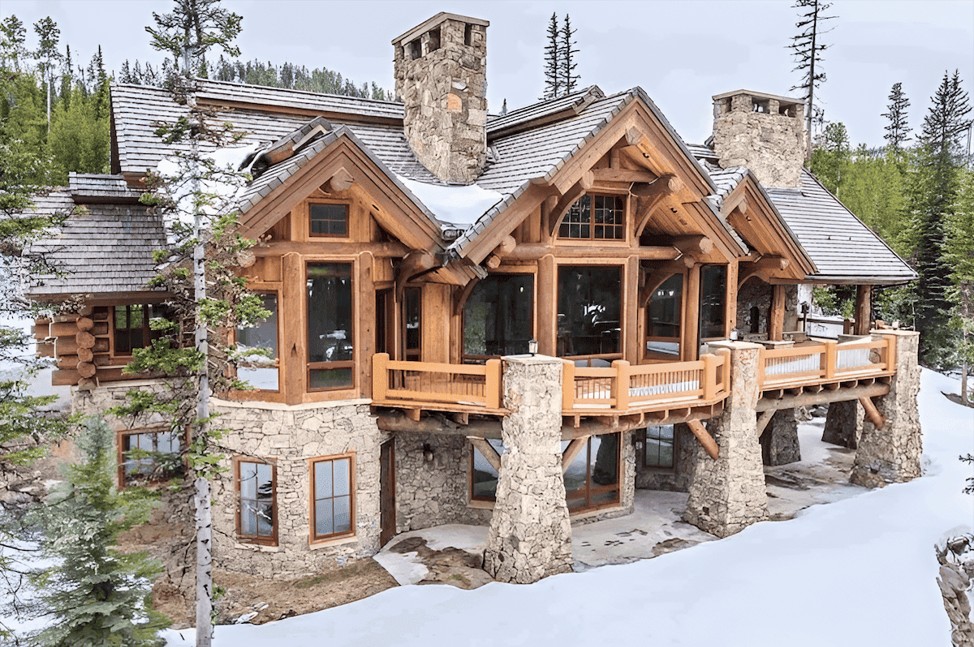
In constructing a log home, the choice of log type is paramount, affecting everything from structural integrity to aesthetic appearance. Among the most popular are hand-hewn logs, celebrated for their rustic and artisanal look, harkening back to traditional craftsmanship. Their irregular, unique cuts create a home that feels organically blended with nature. Conversely, machine-milled logs offer a more uniform and precise approach, ideal for those seeking a sleek, modern finish without sacrificing the tactile beauty of wood. The decision between these types often hinges on personal style preferences and considerations of practical maintenance and financial constraints. For instance, hand-hewn logs may require more intensive maintenance over time to preserve their natural beauty.
Environmental Benefits of Log Homes
Opting for a log home is a nod to tradition and a step towards sustainable living. Wood is an inherently renewable resource, and when sourced responsibly, it reduces the overall environmental impact of construction. This eco-benefit transcends the building phase; log homes boast excellent energy efficiency. The natural thermal mass of logs provides superior insulation, maintaining a stable indoor temperature that reduces energy consumption. Such efficiency leads to smaller utility bills and a reduced carbon footprint, aligning with a growing demand for green building practices. Furthermore, the natural aesthetic created by these homes can foster a deeper connection with the surrounding environment, enhancing mental well-being and quality of life.
Modern Techniques in Log Home Construction
While wood remains the core building material, technological advancements have transformed log home construction. Innovations such as synthetic chinking—a pliable material that seals spaces between logs—enhance modern log cabins’ weatherproofing and energy efficiency. Engineered logs, crafted for strength and uniformity, offer bespoke design opportunities for more intricate architectural styles. Customizable options allow homeowners to incorporate modern amenities without sacrificing the organic look and feel that make log homes so popular. These advancements also provide increased durability and reduced maintenance, ensuring comfort and longevity for future generations.
Maintenance Tips for Log Home Longevity
Maintaining the health and beauty of a log home requires consistent care and vigilance. Frequent inspections can identify minor concerns before they escalate into major problems, like detecting possible spots of moisture entry or pest issues that may threaten structal stability. Applying sealants and stains periodically is essential to protect against the elements, as weather conditions can gradually erode even the most sturdy logs. In addition to extending the lifespan of the home, these maintenance efforts preserve the aesthetic appeal that makes log homes so desirable. Following maintenance tips and guidelines can save homeowners from the distress and significant expense of major repairs in the future.
The Lifestyle Appeal of Log Homes
Beyond functional benefits, log homes offer an alluring lifestyle that many find irresistible. The rustic and natural design invites a peaceful, serene living experience immersed in nature’s embrace. For those looking to escape the hustle and bustle of city life, log cabins provide a retreat-like experience conducive to a quieter, more relaxed pace of life. The close connection to nature often results in enhanced physical and mental well-being, fostering an environment that promotes rest and recuperation. Thus, the appeal extends beyond aesthetic attraction—living in a log home often reflects a desire for a more spartan, more connected existence.
Prospective Innovations in Log Cabin Construction
The future of log cabin construction is bright, with various innovations poised to enhance sustainability and convenience further. Incorporating smart home technologies allows for better energy management and home automation without disrupting the rustic charm. Companies are increasingly focusing on sustainable forestry and environmentally friendly building practices, ensuring that their ecological responsibility matches the beauty of log homes. These prospective advancements promise to render log cabins more ecologically friendly and aligned with modern living needs, offering the best of tradition and innovation.
A Timeless Architectural Choice
Log homes stand as a symbol of timelessness and innovation by blending the past with future possibilities. Whether built as humble cabins or grand lodges, they continue to make a powerful statement in residential architecture. As a choice that embodies heritage and progressive design, log homes remain a beloved option for those seeking sustainable, beautiful, and meaningful living spaces. By investing in a log home, homeowners don’t just acquire a dwelling; they embrace a lifestyle steeped in tradition while progressively harmonizing with modern environmental consciousness.